9+ curated guides • Updated August 2025
For over three decades, we've watched the Forresters and Logans navigate amnesia, baby swaps, and endless betrayals. But what happens when the cameras stop rolling and the real-life drama of the cast becomes more shocking than any script? We're pulling back the curtain to reveal the moments the lines between B&B's fiction and the actors' reality blurred into one unbelievable story. From messy divorces that mirrored on-screen love triangles to legal troubles that made Ridge Forrester's questionable business ethics look like child's play, the personal lives of the B&B cast have provided plot twists even the most seasoned soap writer couldn't invent. This isn't just about gossip; it's about the fascinating, and often bizarre, parallel universe where the actors' lives become the ultimate cliffhanger.
You think you know 90s grunge accessories: the worn-in Doc Martens, the slouchy beanie, the ever-present flannel tied around the waist. But what if the most radical thing about these items wasn't their angst, but their androgyny? This wasn't just about looking disheveled; it was about dismantling the very idea of 'his' and 'hers' fashion, one combat boot at a time. While the iconic musicians of the era—from Kurt Cobain in his thrift-store cardigans to Layne Staley in his oversized sunglasses—became reluctant style icons, the true revolution was happening at the granular level of accessories. These were not statements of glamour or rebellion in the vein of punk or glam rock. Instead, they were artifacts of practicality, comfort, and anti-consumerist sentiment that, by their very nature, existed outside the rigidly gendered fashion system of the time. This article delves into how this accidental androgyny laid the groundwork for the fluid expressions of identity we see today.
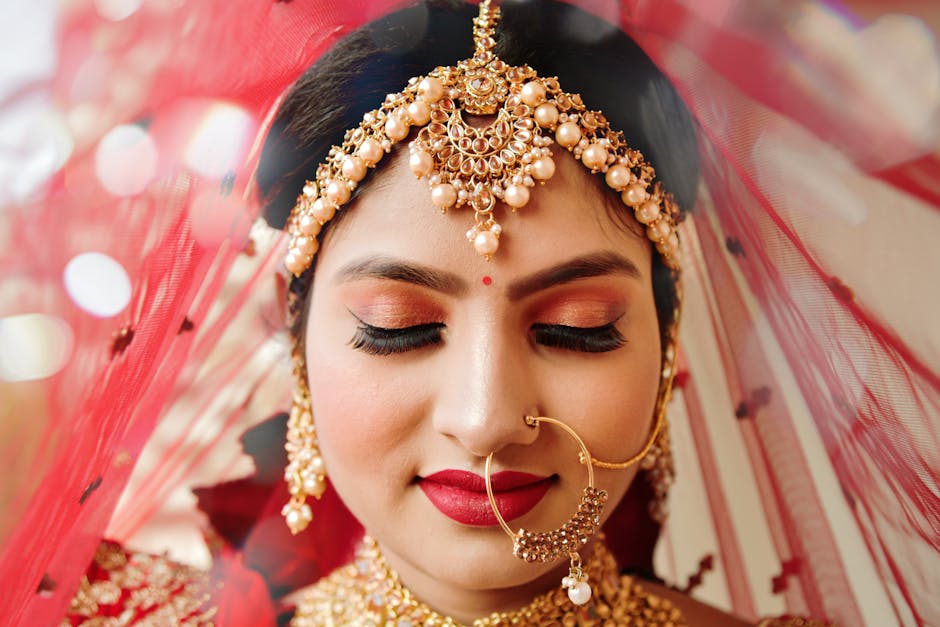
You've been taught to match your bindi to your lehenga, but what if its true power has nothing to do with color? We're reframing the bindi not as an accessory, but as an architectural tool. Prepare to see your own face differently as we explore how a few millimeters can elongate your profile, sharpen your gaze, and transform your entire look. As a makeup artist who began my journey in the fine arts, I see faces not as blank slates, but as living sculptures. Every plane, every curve, every angle presents an opportunity. For too long, the bindi has been relegated to the final step—a colorful afterthought. I'm here to tell you it should be the first consideration. It is the keystone of your facial structure, the central point from which all other features can be balanced and enhanced. This guide is your introduction to facial cartography, using the bindi as your most precise and powerful compass.
In an age of 24/7 social media updates and constant self-promotion, visibility is seen as the currency of fame. Yet, some of the world's most popular figures defy this rule by doing the exact opposite: they disappear. This investigation pulls back the curtain on the 'anti-fame' playbook and reveals why intentional scarcity is the ultimate power move in modern celebrity. This strategy transforms a public figure from a mere commodity into a cultural event, proving that in the economy of attention, a controlled absence is worth more than a constant presence. We will dissect how this calculated mystique is constructed and why it creates a level of devotion that endless accessibility never can.
Open your jewelry box. Is it a tangled graveyard of tarnished chains and forgotten trends? We're conditioned to see fashion jewelry as temporary and disposable, but that's a costly mistake. This guide will change your perspective, revealing how to identify and build a core collection of affordable accessories that pays you back in style dividends for years to come. We'll dismantle the idea that 'cost-per-wear' is a concept reserved for designer handbags and cashmere sweaters. In reality, applying this pragmatic logic to your more accessible pieces is where the true style genius lies. It’s not about spending more; it’s about investing smarter, turning your accessory drawer from a liability into a high-performing asset.
You've seen it a thousand times, gleaming in a fresh piercing or nestled in a seasoned collection. The simple ball closure ring is so ubiquitous in body modification it's almost invisible. But what if this humble object is more than just a starter piece, but a quiet masterpiece of engineering and a powerful symbol of identity? As a design historian, I argue that to understand the ball closure ring (BCR), you must disregard its context as mere jewelry and analyze it as you would an Eames chair or a Dieter Rams radio. It is a sublime example of industrial design, a self-contained system where form and function are so perfectly fused they become one. It is an artifact that tells a story not of luxury, but of mechanical elegance and subcultural rebellion.
You've been told your entire life that the diamond is the timeless, essential birthstone for April. But what if that 'timeless' tradition is younger than your grandparents, crafted not by ancient mystics but by one of the most brilliant advertising campaigns in history? Prepare to question everything you thought you knew about your birthstone. As a cultural historian, I spend my days excavating the stories behind the objects we cherish. And few stories are as shrouded in manufactured myth as that of the April diamond. The narrative we've accepted—of an unbreakable stone for an unbreakable bond, anciently assigned to April—is a dazzling illusion. The reality is a tale of commerce, psychology, and a boardroom decision in 1912 that set the stage for a marketing coup. This article pulls back the velvet curtain to reveal the architects of this modern 'tradition' and empowers you to reclaim your own story.
We've all bought the 'miracle' serum a celebrity swears by, hoping to capture a fraction of their red-carpet glow. But what if that $150 cream is less than 1% of the real story? The truth is, flawless celebrity skin isn't bought at a beauty counter; it's an institution built on a budget that could rival a small start-up. My sources, who manage the finances for A-list talent, have let me see the spreadsheets. Forget the sponsored Instagram posts and the 'get ready with me' videos. We're about to dismantle the real architecture of celebrity skin—a meticulously managed, six-figure-plus annual investment in cellular-level wellness that makes topical products little more than a finishing touch.
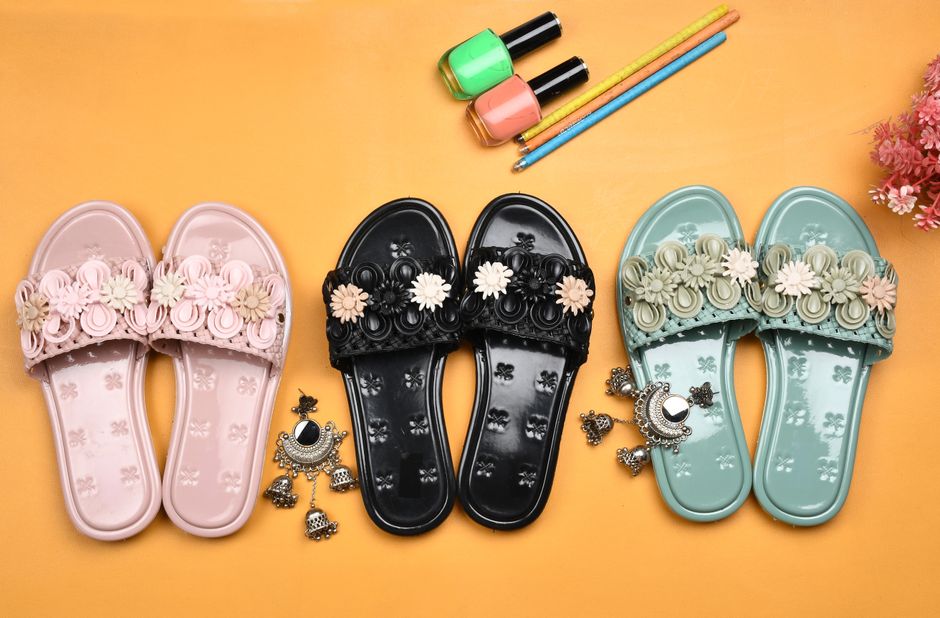
You've scrolled through a thousand identical gold-plated hoops and mass-produced beaded bracelets, feeling nothing. What if the most compelling accessory wasn't the one that followed a trend, but the one that carried a story? This guide isn't just a list of stores; it's a curated collection of portals to pieces with provenance, soul, and a history waiting to be worn. As a style anthropologist, I've observed that we've been conditioned to see accessories as disposable punctuation marks to an outfit. But their true power lies in their ability to be anchors—to a memory, a place, a person, or a craft. This guide bypasses the digital noise of fast fashion to spotlight nine archetypes of retailers who treat their collections not as inventory, but as a museum of wearable art. Here, you won't find what's 'in'; you'll find what lasts.